Culture and Society in the Sudan - Ellen Ismail
 
Home
News
 
Book Order
 
Consultancies and Lectures
 
Sudanese Impression
History
People and Ethnicity
Women
Children
 
Publisher / Imprint
 
 
© 2003-2012 Dr. Ellen Ismail
German Version
P. O. Box (PF) 11 47 | D-21225 Bendestorf | Germany | Tel/Fax +49 (0) 4183 6936


History

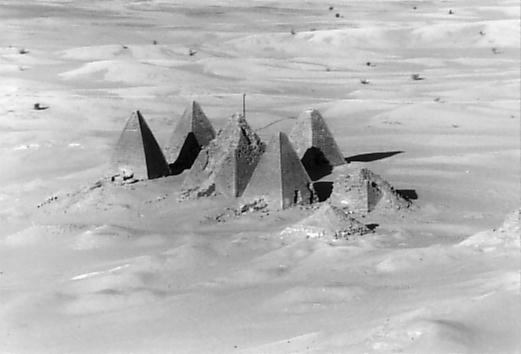
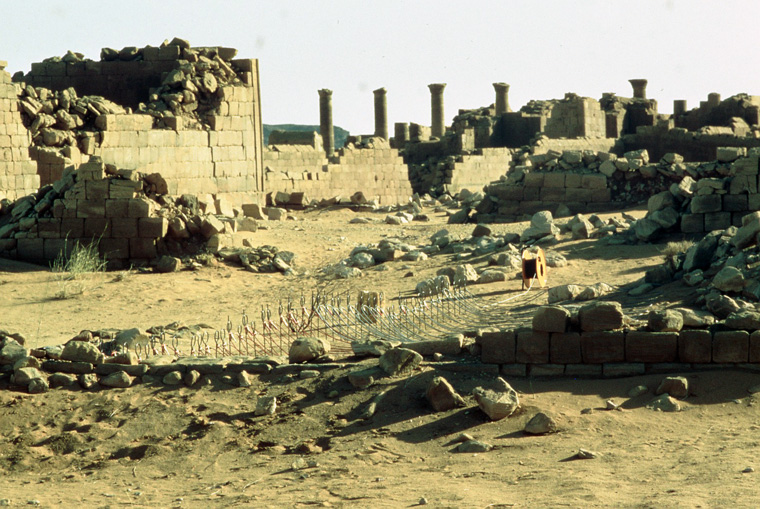
The history in Sudan is primarily based on oral history. Excavations carried out in central and northern Sudan revealed that settlements existed at around 3500 B.C. and before. Remains of pyramids, temples, city walls, pottery and jewellery bore evidence that an extremely sophisticated and well-developed civilisation existed in Nubia along the Nile. Nubia was colonised by Egyptian dynasties at around 2400 to 1400 B.C.

spanning from Wadi Halfa to Meroe. The Kingdom of Kush was present at around 850 B.C.; ‘black’ Pharaohs ruled Egypt during the Napatan and Meroitic period. In 543 the Christian Kingdom of Alawa was founded with its capital Soba at the junction of the White and Blue Nile, southeast of Khartoum. In 1504 the Muslim Funj destroyed Soba and established a new central power at Sennar. The Sultans of Funj ruled all areas south of Khartoum until 1821. Around 1300, Muslim Arab nomads and merchants migrated to Nubia and mixed with the local people. Islam gradually began to spread in northern Sudan. Modern history in the Sudan began with the occupation of the Turko-Egyptian army (1821-1885). Khartoum became the capital. In 1885 the Sudanese successfully under the leadership of the Mahdi put an end to the Turko-Egyptian occupation. In 1898 the British Colonial Period began and ended with Sudan’s independence on the 1st January 1956.

 
top
Design and Realization: www.monitorpixel.de